Wedding Dress Alteration Cost UK: A Detailed Cost Breakdown for Your Perfect Fit
When it comes to preparing for a wedding, the dress is often the centerpiece of the celebration. Ensuring it fits impeccably is essential. Alterations transform a beautiful gown into a flawless, personalised masterpiece. Yet, understanding the wedding dress alteration cost UK can be complex. We will explore the various factors influencing these costs, providing clarity and guidance for those seeking expert tailoring.
Understanding Wedding Dress Alteration Cost UK
Wedding dress alterations vary widely in price, depending on the complexity of the work and the fabric involved. On average, alterations can range from £100 to over £500. This range reflects the diversity of tasks required to achieve the perfect fit.
Common alterations include:
Taking in or letting out seams
Adjusting straps or sleeves
Hemming the skirt
Adding or removing embellishments
Reshaping the bodice
Each task demands a different level of skill and time commitment. For example, taking in the bodice may require intricate work with boning and lining, while hemming a simple skirt is more straightforward.
We recommend consulting with a skilled tailor early in the process. This allows for a detailed assessment and a tailored quote. For those curious about how much to alter a wedding dress UK, this step is invaluable.
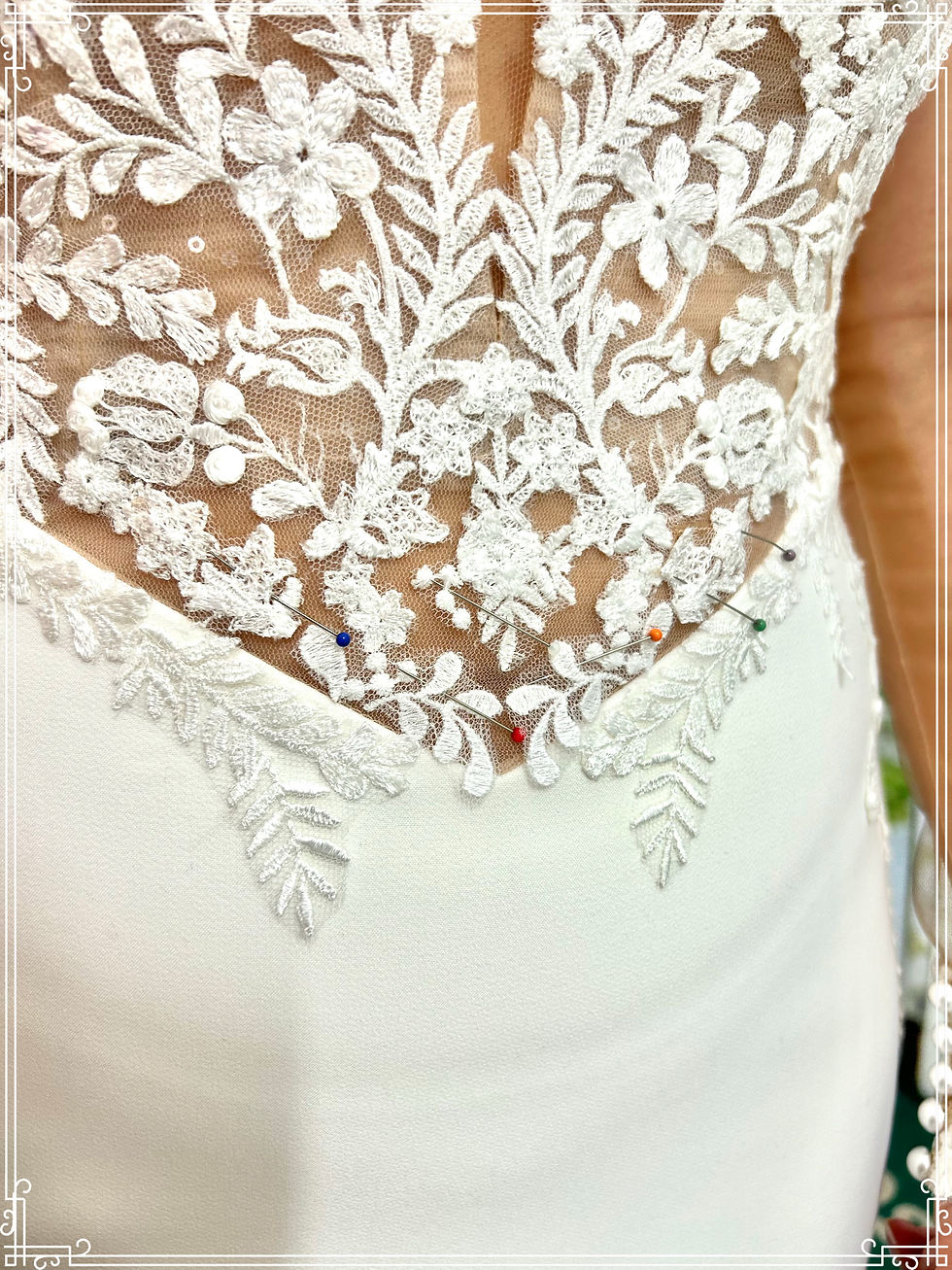
Key Factors Influencing Wedding Dress Alteration Cost UK
Several elements influence the final cost of wedding dress alterations. Understanding these can help manage expectations and budget effectively.
Fabric Type and Complexity
Delicate fabrics such as silk, lace, or chiffon require careful handling. They often need specialised techniques, which increase labour time and cost. Heavy fabrics like satin or taffeta may be easier to work with but can add weight and complexity to the garment.
Design Details
Beading, embroidery, and appliqués add to the complexity. Removing or repositioning these details demands precision to avoid damage. Sometimes, embellishments must be removed and reattached after alterations, increasing the time and cost.
Extent of Alterations
Minor adjustments, such as shortening straps or taking in side seams, are less costly. Major changes, like reshaping the entire bodice or adding a bustle, require more time and expertise.
Timing and Urgency
Last-minute alterations often incur higher fees. Booking well in advance allows for a smoother process and potentially lower costs.
Location and Tailor Expertise
Prices vary by region and the tailor’s reputation. Experienced bridal specialists may charge more but offer superior craftsmanship and peace of mind.
Why is Hemming a Wedding Dress So Expensive?
Hemming a wedding dress might seem like a simple task, yet it often commands a higher price than expected. Several reasons explain this.
Fabric Handling and Precision
Wedding dresses are made from delicate materials that require careful handling. The hem must be even and flawless, which demands meticulous measuring and sewing.
Multiple Layers
Many gowns have several layers of fabric, including linings, tulle, and overlays. Each layer must be hemmed perfectly to maintain the dress’s shape and flow.
Preserving Design Integrity
The hemline affects the dress’s silhouette. Altering it without disrupting the design requires skill and experience. For example, a lace hem with scalloped edges must be carefully shortened to preserve its pattern.
Bustle Installation
Often, hemming is combined with adding a bustle to lift the train for the reception. This adds complexity and cost.
Time-Consuming Process
The process can take several hours, especially for intricate designs. This labour-intensive work justifies the expense.

Practical Tips for Managing Wedding Dress Alteration Costs
We understand the importance of balancing quality with budget. Here are some practical recommendations to help manage costs without compromising on craftsmanship.
Book Early
Secure your tailor well in advance. This reduces rush fees and allows for multiple fittings.
Prioritise Essential Alterations
Focus on alterations that affect fit and comfort first. Decorative changes can be secondary.
Choose a Specialist
A bridal tailor with experience ensures the best results, potentially saving money on corrections later.
Communicate Clearly
Discuss your vision and budget openly. A good tailor will advise on what is feasible.
Consider Fabric and Design
If you are still selecting a dress, consider simpler designs or fabrics that are easier to alter.
Plan for Multiple Fittings
Several fittings ensure the dress fits perfectly, avoiding costly last-minute fixes.
The Value of Expert Tailoring for Timeless Elegance
Investing in professional wedding dress alterations is an investment in confidence and elegance. A well-fitted dress enhances posture, comfort, and overall appearance. It transforms a beautiful garment into a personal statement.
At Beata Costuming & Tailoring, we blend traditional craftsmanship with modern techniques. Our commitment to sustainability means we focus on repairing, mending, and recycling, creating timeless pieces that honour your special day and the environment.
We invite you to experience the difference that expert tailoring can make. Your wedding dress deserves nothing less than perfection.
We hope this detailed breakdown helps you navigate the costs and considerations involved in wedding dress alterations. For further guidance and personalised advice, do not hesitate to reach out to a trusted tailor. Your perfect fit awaits.



Comments